Skip to content

Nirdosh Jagota

Researcher reviewing a virtual cell model on a computer screen in a laboratory

Can Virtual Cells Predict What Traditional Lab Models Miss?

Virtual cell models can predict human-specific responses, time-dependent cell behavior, and hidden signaling effects that static cultures or animal studies may miss. They cannot replace laboratory testing, but they can help you identify weak drug candidates sooner… 
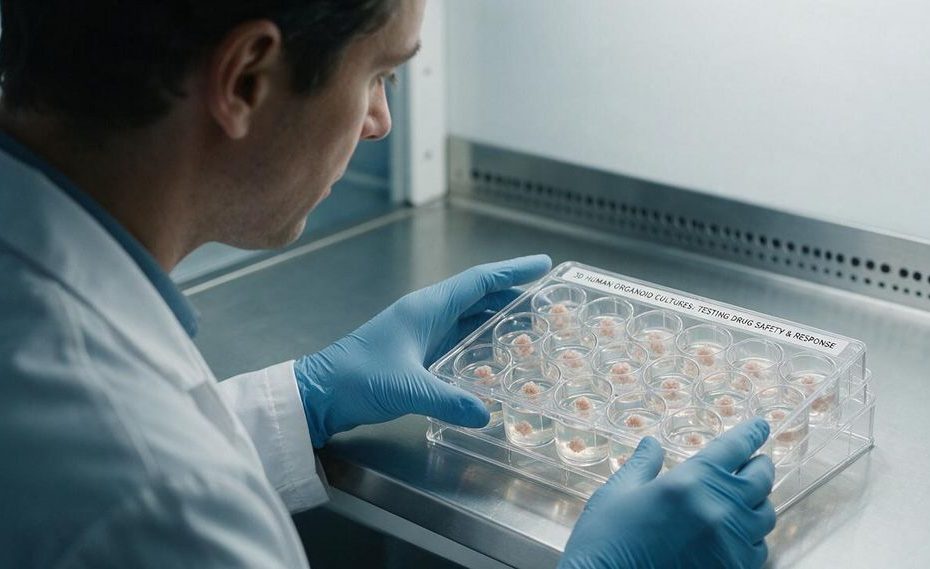
Scientist examining human organoid cultures in a laboratory for drug development research

Why Organoids Are Becoming More Useful for Drug Development

Organoids in drug development are becoming more useful because they give you a three-dimensional, human-relevant model that sits between simplified cell cultures and human clinical trials. They can reproduce selected structural and functional features of human organs,… 

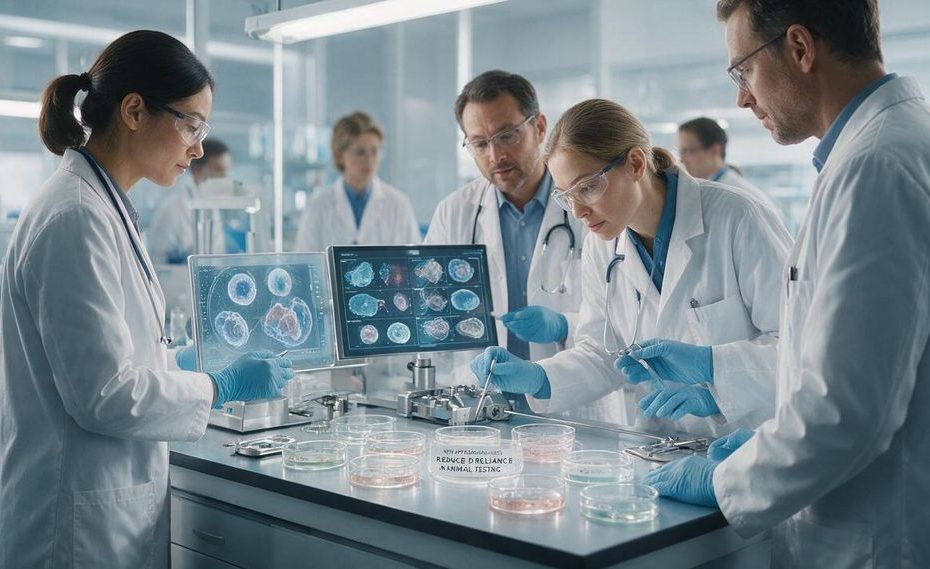
Scientists reviewing organ-on-a-chip data for preclinical safety testing in a laboratory

New Approach Methodologies Could Rewrite Preclinical Development

New approach methodologies can reshape preclinical development by combining human-relevant laboratory models, computational predictions, and integrated evidence to assess safety without relying solely on animal studies. Their value depends on whether you select a method suited to… 

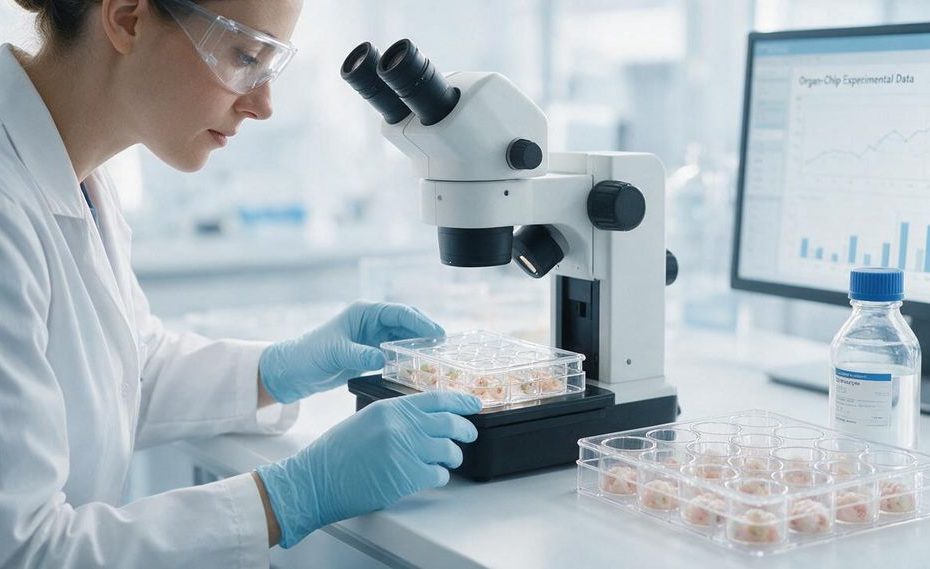
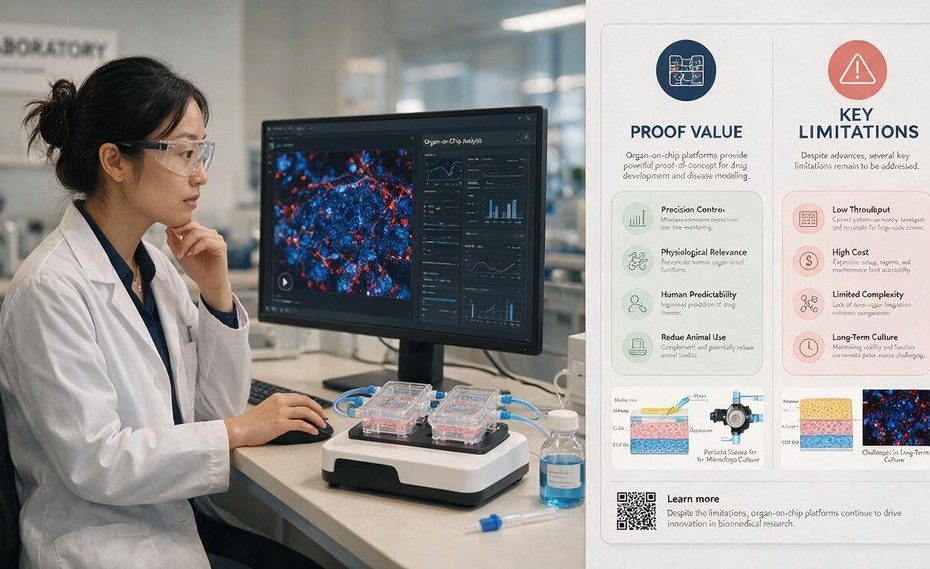
Scientist examining an organ-on-chip device in a laboratory for human tissue testing

What Organ-on-Chip Models Can Prove and Where They Still Fall Short

Organ-on-chip models can prove specific human tissue responses under controlled conditions, including barrier behavior, mechanical-force effects, and certain toxicity signals. Their organ-on-chip limitations become apparent when a study depends on whole-body immunity, circulation, endocrine feedback, long time… 

Scientist reviewing gene-edited crop seedlings in a greenhouse with regulatory documents

Gene-Edited Crops Are Entering a New Regulatory Era

Gene-edited crop regulation is shifting from one broad “genetically modified” rulebook toward systems that judge the final plant, the type of edit, and whether foreign genetic material remains. That means simple edits can move faster…